Wednesday, 20 May 2015

Movie Inspires Alzheimer’s Patients to Begin Day in New Way The Alzheimer’s Activity Apron New Alzheimer’s Treatment Could Reverse Brain Damage Using Music to Enhance the Quality of Life of People with Alzheimer’s

A 2004 romantic comedy has inspired one assisted living community to change the way they communicate with their residents who have Alzheimer’s disease or a related dementia.Movie Inspires Alzheimer's Patients to Begin Day in New Way

Residents who have Alzheimer’s at the Hebrew Home at Riverdale, begin each day with a five minute video from a loved one letting them know who they are, where they are, and who will be caring for them.

Learn more about this innovative technique, how the movie inspires Alzheimer’s patients and the positive effects it is having on those living with and caring for the disease.

An Innovative Alzheimer’s Technique

An idea borrowed from an unlikely source is bringing a new twist to dementia caregiving.

Residents who have Alzheimer’s and other forms of dementia at the Hebrew Home at Riverdale, begin each day with a five minute video from their loved ones reminding them who they are, where they are, and that they are loved and cared for.

The idea comes from the 2004 Adam Sandler movie, “50 First Dates” where Adam Sandler’s character plays a man in love with a traumatic brain-injured woman, played by Drew Barrymore. Because she has no short term memory, she does not remember him from day to day, so Sandler’s character makes a video that Barrymore can watch every day to remind her who he is and what their life together is like.

Director of Social Services at the Hebrew Home, Charlotte Dell, saw the movie and wondered: “It was fluff, but it made me think, ‘How could that translate to our residents with memory loss?’ We’re looking to see if we can set a positive tone for the day without using drugs. What better way to start the day than to see the face and hear the voice of someone you love wishing you a wonderful morning?”

The videos made by  loved ones are shown every morning to residents and have become part of a daily routine at the community. The technique is helping to ease the agitation of people with Alzheimer’s and dementia, according to the Hebrew Home.

Improving the Quality of Life for Those with Dementia

The program at the Hebrew Home is limited to people in early and moderate stages of dementia, who are still able to recognize their loved ones on the video and has started with residents who often refuse care or can be difficult to care for in the morning.

Geriatric psychiatrist Robert Abrams lauds the program, calling it “innovative and thoughtful.” He went on to say: “You’ve got a group of people with dementia who don’t really grasp the nature and purpose of their surroundings, or the circumstances that compelled them to be there. Consequently they’re alone and at sea, and feel frightened and even abandoned by family.”

Some experts caution that each and every Alzheimer’s patient is different, so the video technique being employed may not work for all people with dementia and Alzheimer’s.

Is this technique something you would try for your loved one? Have you had any success with this new method of communication? Share your stories with us in the comments below.

post from sitemap

Tuesday, 19 May 2015

A Caregiver’s Guide Creating Joy and Meaning for Those with Dementia The Role of Grey Matter in Alzheimer’s Disease A Mother and Son’s Unbreakable Bond Outlasts Alzheimer’s A Daughter’s Memoir about Alzheimer’s

Ronda Parsons, author of: “Creating Joy & Meaning for the Dementia Patient, A Caregiver’s Guide to Connection and Hope,” speaks with Alzheimers.net about caregiving and shares the guide with Alzheimer’s caregivers today. Learn more.A Caregiver's Guide: Creating Joy and Meaning for Those with Dementia

A Caregiver’s Guide

Caregiving is not for sissies. No experience in your life can prepare you for the daily challenges you face when caring for a dementia patient. It is physically draining, heartbreakingly sad, and stretches your patience to limits you never thought you possessed. It rearranges the tiny molecules that hold a family together. It reassigns the roles that we have played for a lifetime; mother becomes daughter, daughter becomes mother. It is like watching someone slip into a dream while they are still awake.

I know this to be true because I spent ten years caring for my mother-in-law, Nan, as she spiraled down through the stages of this devastating illness. I know what it means to care for someone with dementia day-in and day-out for many years. I know that it is a demanding reality that can bring the most loving caregiver to their emotional breaking point. Dementia doesn’t just affect the sufferer, but reaches its tentacles into the lives that orbit around the patient, often leaving them exhausted and defeated.

Initially when I began caring for Nan I was in a defensive mode, solving problems as they were thrown at me. I’d lie awake at night attempting to fix unfixable problems, searching for answers when none existed. I made lists, attacked daily problems with vigor, all the while feeling taxed and frustrated. And the sad truth was that despite my efforts, Nan continued to spiral further and further into oblivion. Neither of us was making progress. My initial plan wasn’t working.

Creating Joy and Meaning for Those with DementiaCreating Joy and Meaning for the Dementia Patient

Through observation I had come to realize that Nan no longer lived in a world made up of days or even hours, but instead she lived inside spontaneous flashes of reality. In other words, she was living her life from moment to moment. As quickly as recognition arrived, it was gone again. I knew instinctively that although her understanding was temporary, these moments were not unimportant.

So I set about creating activities that would bridge the gap between the outside world and her awareness by focusing on instincts universal to us all – the beauty of nature, our six senses, the power of music, the love of family, and the balm of laughter. We sat outdoors, touched flowers and fed birds. We leafed through a clearly labeled family album I made for her. We sang hymns and listened to her favorite music. Occasionally we even danced together. (Yes, I found that a wheelchair can easily roll to jitterbug music.) We ate her favorite foods, painted her fingernails and scented her room. We prayed and talked about the many blessings in our lives. I constantly reminded her that she was a good and wonderful person who had led a splendid life. And as the disease progressed, we watched cartoons and took turns holding her dolly. Each day I tried to create little surprises that would ignite even the briefest moment of spontaneous happiness.

Soon I discovered that no happiness was too small or its effect too insignificant to affect positive change. For when she was content and at peace, the old Nan from long ago would suddenly appear out of nowhere in the guise of a familiar comment or facial expression. These moments became the encouragement that I needed to work harder to build a bridge of connection between us. Those moments reminded me of the woman I missed so terribly and proved to me that she was still in there, lost in dementia’s thick fog. I made it my mission to harness these moments and utilize their power in order to bring joy and meaning into her life.

Granted I wasn’t always successful. But slowly my small achievements began to build and it wasn’t long before our connection grew. I found that as my attitude relaxed and calmed, so did Nan’s. I learned that as a caregiver, I possessed the power to alter the tempo and undercurrent of our relationship. I could choose to inject hope and understanding into this heartbreaking situation. And since then, somehow amid all the confusion, we have been able to share surprising moments of unexpected joy and love.

Little did I know at the time, but experts in the field of dementia were in agreement with my approach to Nan’s care. The plan that I developed naturally through intuition is in fact in alignment with methods that are being implemented in both the United States and Europe. This knowledge gives me hope – hope that families will begin to celebrate what a dementia patient can bring to their lives, rather than see them as an inconvenience to be relegated to the sidelines. It gives me hope that others are also embracing the concept that under certain circumstances, it is best to focus on the quality of our days, rather than the quantity.

Mostly, it validates that my approach increases the likelihood that I am bringing joy and meaning into Nan’s life.

What caregiving approaches have you used to create joy and meaning for those with dementia? Share your tips with us in the comments below.

post from sitemap

Tuesday, 12 May 2015

Therapeutic Lying in Dementia Care Teen Develops SafeWander Innovative Alzheimer’s App The Faces of Dementia an Online Quilt Mind’s Eye Poetry Rewriting Dementia

One woman shares how her grandmother with Alzheimer’s disease brought an imaginary boyfriend into their lives and how they learned to adopt her reality as theirs. Read about this supportive family and learn more about therapeutic lying in dementia care.Therapeutic Lying in Dementia Care

Therapeutic Lying and Dementia

A recent article in the New York Times shares the heartwarming, touching and very honest account of one family’s journey with Alzheimer’s.

In the article, author Deenie Hartzog Mislock shares that her grandmother believed that her daughter (the author’s aunt) had a boyfriend named Nick Stephanopoulos. She made up details about the relationship, including the trips they took overseas, the giving of extravagant gifts, and daily details about the relationship.

The family played along, engaging their loved one in conversation about a man who did not exist. Stephanopoulos became their reality as well as hers, in an effort to establish normalcy for her, mitigate agitation and avoid further confusion. The author eloquently states that “Nick Stephanopoulos offered us something to hold on to. He was the laughter born of our sorrow.” 

When the author’s grandmother sadly informed them that Nick only had three months to live, the family wondered what that meant for their future. A few weeks later, she passed away at hospice. Looking back on the whole affair, the author said that:

“Playing along with my grandmother kept us close to her, even as she was being taken from us.”

Adopting a Loved One’s Sense of Reality

Many caregivers and family members of people who have Alzheimer’s wonder what to do when their loved one makes up stories like the one told in the New York Times.

Families who are uncomfortable lying to a loved one can be hesitant to entertain extravagant stories, especially when involving another family member and can leave many caregivers in a moral conundrum.

The Alzheimer’s Association advises to avoid arguing with a loved one who has Alzheimer’s. Arguing will not often change their mind but can increase agitation and frustration for all. They also advise not to criticize or correct and instead to listen to the meaning behind what is being said along with focusing on feelings, not facts. 

Have you ever had a loved one with Alzheimer’s make up a story like the one above? How did you handle it?  Share your story with us in the comments below.

post from sitemap

Why some of us are always cold and others are constantly hot

Women tend to have more body fat than men, which stores heat.

Women tend to have more body fat than men, which stores heat. Source: Supplied

It is a strange phenomenon that some of us are still freezing, while others are absolutely boiling water.

You might be shaking in five layers, exactly the same time your partner is throwing open windows, fanning.

It is not enough for your weight and height, but also their age, sex, diet, sleep habits, lifestyle and even your happiness.

Humans are warm-blooded, with our average body temperature of around 37 ° C.

In warm blood, it just means that we can adjust our internal body temperature regardless of the environment, while the cold-blooded animals are subject to the temperature of their environment.

But as all human beings are "homeothermic" our body temperature can vary greatly, as a fascinating video D News explains.

The temperature control starts in the brain and is controlled by hormones, which reflect the core temperature and the temperature of the outer skin.

The hormone estrogen is part of the regulatory process, according to the Lancet.

Women are generally colder than men, and young people aged cooler. People who are more active tend to have warm hands and feet together than those who do not.

Men tend to have more muscle and more fat women. Operating muscle generates heat during storage of fat cells. Utah State University researchers found that the hands of men were 32.3C on average, while women were 30.7C.


Working muscle generates heat, and active people usually have warmer hands and feet.

Muscular work generates heat, and the active people often have their hands and feet warm. Source: Supplied

Women's bodies have to work harder to maintain their core body temperature, leaving less energy resources to heat extremes.

The time of the month can come into play as well. The menstrual cycle can change the temperature of a female body in varying degrees.

People tend to feel more hot fat because their central bodies are hot, but its objectives are actually colder.

People with lower body mass index tend to feel colder because the blood pumped through the ends warm up considerably when you return.

We regulate our internal temperature by regulating the heat cells in our skin that detect cold cut our hair and blood vessels in a process called "vasoconstriction" the decrease of blood flow velocity in our.

People who smoke are more vasoconstriction, peripheral coldness, while active people have hands and feet warm.

And it does not only have to be physically warm, it is also our perception of temperature.

If you are surrounded by people that you're comfortable, you will feel warmer. A Canadian study found that people who are alone or feel isolated are more aware of the cold body temperature, while people tend to feel socially connected hot


Monday, 11 May 2015

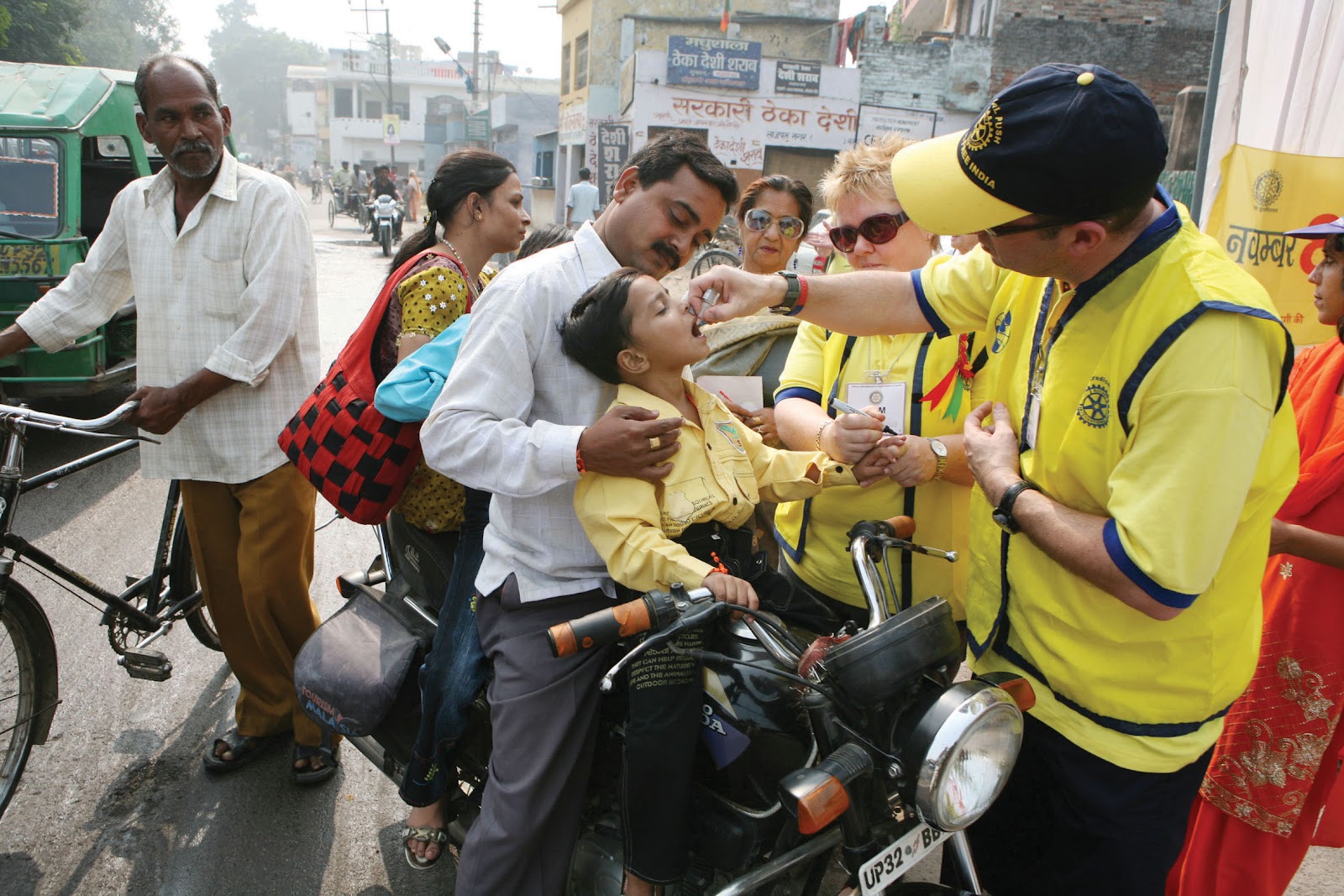
Go Viral? Polio immunization campaigns face a challenge in Pakistan

Photo by RIBI image library on Flickr: https://www.flickr.com/photos/91311153@N02/8291649940

The fight against polio in Pakistan also means fighting criticism from activists, writes Tahmina Rashid.

The incidence of polio cases has tripled in Pakistan in 2014, despite national and global programs to eradicate polio, while the inner turmoil adds new obstacles to Pakistan's efforts to eradicate the disease.

This raises serious concerns for the health of children, and signs of a failure to reach the global polio eradication approved by the World Health Assembly (WHA) in 1988.

Health professionals are unanimous in saying that even an infected child is a serious risk of children contracting polio. Health economists estimate that the eradication of polio would save at least US $ 40-50 billion over the next 20 years, especially in low-income countries. It would also mean that children never suffer the terrible effects of the paralysis of polio for life.

Of particular concern is that the virus is emerging in countries previously free of the disease, such as Syria, Somalia and Iraq, and in light of the civil war and instability in these regions, any effort to arrest would be a challenge.

If polio is not stopped in these areas can potentially cause about 200,000 new cases each year in 10 years. In May 2014, the World Health Organization (WHO) has imposed travel restrictions on Pakistan over its failure to control the spread of the virus and many countries have ordered the vaccination against poliomyelitis for travelers from Pakistan.

WHO defines Polio is a highly infectious disease caused by a virus that invades the nervous system and cause total paralysis in hours.

There is no cure for polio, the prevention by a vaccine, if given to children under five, protects for life. As the virus could pass through human contact through the fecal-oral contaminated water or through food, and remains a serious threat to global health.

Pakistan lack adequate wastewater drainage system pollution incidents are common in urban areas, while rural communities have almost no system in place.

Monitoring programs for the eradication of polio in 1997 and the monitoring system set up working in provincial and national, district and remains a cornerstone of strategies to identify and eradicate polio exists.

In recent years it has been used to confirm the diagnosis of polio isolation and identification of faeces of poliovirus. WHO has helped to establish laboratories to provide this service, and these laboratories play a key role in polio cases certification and verification of the absence of wild poliovirus circulation.


Since 2009, Pakistan has conducted environmental monitoring to detect poliovirus in sewage in strategic locations in the main cities of the four main provinces. The plan of the National Plan of Action Emergency (PNA) in 2014 to eradicate polio was a response to the alarming increase in cases of polio.

Vaccination against polio is a high-risk work and there have been several attacks on health workers militias aligned with the Taliban. In the last two years, over 56 people of the polio workers killed in various provinces.

Religious radicals have always opposed immunization programs in Pakistan, even declaring polio vaccine not only a "Western conspiracy" and a "Judeo-Christian plot" to make children sterile, but also against the principles of Islam.

These religious dignitaries and supporters continue to campaign against vaccination, and tensions were further fueled when it emerged that the CIA (Central Intelligence Agency) used a vaccination campaign against polio conducted by Dr. Shakil Afridi for collect information which he led to the 2011 military operation that killed the leader of Al Qaeda, Osama bin Laden.

polio statistics highlights the problems associated with access to the vaccine; the lack of security for health team workers; access to the remote area; and the lack of accurate data on displaced persons, particularly in the area administered by the federal government (in North and South Waziristan).

Polio cases in the last six years show a strong connection between the security situation, militancy, the military operation against the Taliban and internal displacement in 2010 and 2014, so it is not surprising that polio cases have arisen in urban centers such as Karachi, but also in remote areas of Punjab during this period.

Internal migration is another critical factor, as people move to other areas with children who are not immunized because of activists waiting in the tribal areas.

To eradicate polio, Pakistan needs financial support through the WHO and UNICEF to continue the implementation of the vaccination program in the coming years.

Internally, Pakistan needs to have an efficient and hygienic living vaccine campaign, involving religious leaders and dignitaries, to fight effectively against the orthodox Islamic propaganda.

Iran is successfully religious clerics involved in population planning programs, providing a model for the effective use of mosques for the formulation of public policies.

In Pakistan, local authorities could be used effectively in these programs remained almost disappeared since 2008 (with the exception of Baluchistan, where elections were held in late 2013).

Local authorities should be administrative and financial authority to provide these basic services. The government should make a serious effort to provide safe drinking water and adequate sewage to contain the polio virus.

More importantly, you have to make a sustained effort to curb militancy and maintain law and order in all jurisdictions, including the tribal areas.

This is the key to keeping safe the world's children from polio.


Go Viral?

Vaccination campaigns against polio face a challe


Thursday, 7 May 2015

New York Pledges $50 Million to Funding Alzheimer’s Care Effects of Behavioral Therapy on Alzheimer’s Springing Forward with New Hope for Alzheimer’s this March International Space Station Joins Fight Against Alzheimer’s

Earlier this month, New York state approved the budget which allotted $50 million for the care of people with Alzheimer’s disease and their families.New York Pledges $50 Million to Funding Alzheimer's Care

Learn more about their plan for this money and how it can help combat Alzheimer’s and improve the lives of people affected by the disease.

Funding Alzheimer’s Care

New York has pledged $50 million over a two year period to invest in improving care for people with Alzheimer’s.

According the the New York State Alzheimer’s Association Chapters, this is the largest amount ever committed to people with the disease and their families by any state.

The $50 million will be spread over several resources, all aimed at improving the lives of people with dementia and their caregivers which includes:

  • Funding of an existing 24 hour helpline for patients and caregivers
  • Support groups
  • Training for caregivers
  • Community outreach
  • Respite care
  • Creation of several new memory care centers

The $50 million for Alzheimer’s care was proposed by Governor Andrew Cuomo of New York, and was approved by lawmakers in early April of 2015. Acting State Health Commissioner, Howard A. Zucker, said:

“Anyone who has had any friends or relatives with Alzheimer’s knows it really cuts to the core. He (Cuomo) wanted us to look at this from all different angles.”

He also commented the financial commitment was a reflection of of the Governor’s view of Alzheimer’s as a major challenge to public health.

Alzheimer’s Care in 2015

Recent statistics released by the Alzheimer’s Association support Governor Cuomo’s concerns about Alzheimer’s.

The numbers are more than concerning, especially given the historically limited funding given to Alzheimer’s research. Some of these shocking statistics are listed below:

  1. The cost of caring for Alzheimer’s patients in the U.S. will be an estimated $226 billion in 2015.
  2. The global cost of Alzheimer’s and dementia is expected to be $605 billion.
  3. There are roughly 44 million people worldwide with Alzheimer’s or dementia.
  4. In 2014, more than 15 million Americans provided more than 17.9 billion hours of unpaid care for people with Alzheimer’s.
  5. 2 in 3 people with Alzheimer’s are women
  6. 1 in 9 Americans over the age of 65 has Alzheimer’s and one third of Americans over 85 are afflicted with the disease.

New York’s budget allotment for Alzheimer’s care is unprecedented, and we hope more states will follow its lead with increased funding for Alzheimer’s care and research.

What do you think about New York’s pledge to fund Alzheimer’s care? Should more states pledge funding? Share your thoughts with us in the comments below.

post from sitemap

Wednesday, 6 May 2015

Does Coffee Prevent Alzheimer’s? Can Spinach Reduce the Risk of Dementia? 8 Brain-Training Games for Memory 10 Avocado Recipes for Brain Health

Can’t live without your morning cup of coffee? New research shows that coffee may prevent the onset of Alzheimer’s disease by reducing the amount of beta amyloid in the brain by as much as 50%. Learn more from this latest study about caffeine’s brain boosting benefitsDoes Coffee Prevent Alzheimer's?

Reducing the Risk of Alzheimer’s

A new study led by Dr. Abhishek Mohan at Old Dominion University in Norfolk, Virginia, has concluded that coffee can reduce the levels of beta amyloid, a harmful and destructive protein commonly found in the brains of people with Alzheimer’s disease, by as much as 50%.

The study was completed on mice but its results suggest that coffee and caffeine may be helpful in ridding the body of beta amyloid in humans. These findings could be helpful in the search for new treatments to combat Alzheimer’s.

While more research needs to be done before definitively concluding the positive effects of coffee on human brain health, the findings of this study are supported by past research which also show coffee can fight Alzheimer’s.

Coffee and Beta Amyloid Studies

Another study completed in November of 2014 found that people who drank more than three cups of coffee daily were less likely to develop Alzheimer’s, but only in the short term. Yet another study, one completed in 2012, found that drinking three cups a day could slow or stop the transition from mild cognitive impairment to dementia. Researchers believe that caffeine and coffee may delay the onset of symptoms, thus delaying a diagnosis.

Researchers from the Institute for Scientific Information on Coffee – a nonprofit that examines the effects of coffee on health – believe the protective power of coffee may come from the caffeine and polyphenol content found in the drink.

Caffeine is thought to prevent the build up of beta-amyloid, commonly thought to be a main cause of Alzheimer’s. Polyphenols have an antioxidant effect which reduces inflammation and may help protect the brain from age-related decline.

While many studies support the positive effects of coffee on brain health, it is worth noting that coffee can also raise blood pressure, which is a common factor in increasing the risk of stroke and cardiac arrest. As with most things, it is important to remember that moderation is the key to consumption.

Have you heard about the positive effects of coffee on brain health? Will you drink more coffee as a result of these studies? Share your thoughts with us in the comments below.

post from sitemap

Tuesday, 5 May 2015

Vitamin D: Can it prevent Alzheimer's & dementia?

Maybe. But it's too soon to say for certain. New research suggests people with very low levels of vitamin D in their blood, known as vitamin D deficiency, are more likely to develop Alzheimer's disease and other forms of dementia.

For example, a large 2014 study published in Neurology showed people with extremely low blood levels of vitamin D were more than twice as likely to develop Alzheimer's disease or other types of dementia than those with normal vitamin D levels. But it's important to point out that the association between vitamin D deficiency and dementia risk is only observational at this point. More research is needed to show cause and effect.

Vitamin D is vital to bone metabolism, calcium absorption and other metabolic processes in the body. Its role in brain function, cognition and the aging process is still unclear. Some studies suggest vitamin D may be involved in a variety of processes related to cognition, but more research is needed to better understand this relationship

Most of our vitamin D is produced within the body in response to sunlight exposure. Vitamin D occurs naturally in only a few foods, including fatty fish and fish liver oils. The biggest dietary sources of vitamin D are fortified foods, such as milk, breakfast cereals and orange juice. Vitamin D supplements are also widely available.

Vitamin D deficiency is common among older adults, partially because the skin's ability to synthesize vitamin D from the sun decreases with age.

It's too early to recommend increasing your daily dose of vitamin D in hopes of preventing dementia or Alzheimer's disease. But maintaining healthy vitamin D levels can't hurt and may pay off in other ways, such as reducing the risk of osteoporosis. According to the Institute of Medicine, the recommended daily dose of Vitamin D is 600 International Units (IU) per day for adults under age 70 and 800 IU per day for adults over 70.

More studies are needed to determine if vitamin D deficiency is indeed a risk factor for Alzheimer's disease and dementia, and if treatment with vitamin D supplements or sun exposure can prevent or treat these conditions.

With

David S. Knopman, M.D.

Source : mayoclinic[dot]org
post from sitemap

Monday, 4 May 2015

Ten health conditions that can disrupt sleep

Are you having trouble getting to sleep at night, and staying asleep? If you're struggling with tiredness and Frequently waking in the morning, unfortunately there be a medical reason why.

1. Acid Reflux

Acid reflux occurs khi the between the stomach and the muscle does not seal đúng oesophagus. It's Most noticeable at night khi laid down as this position cho phép acid to flow out of the stomach, Causing heartburn. Hormone changes during pregnancy and eating a poor diet can Increase Risk, and around 75 per cent of sufferers find it affects ask for their ability to sleep. (1)

2. Restless Legs Syndrome

Restless legs syndrome (RLS) is a condition where there is an uncontrollable URGE to move the legs, with the feeling often Do much worse at night. Both voluntary and involuntary Movements can hưởng quality of sleep, and it takes around 30 minutes longer RLS sufferers to fall asleep on average. It can be difficult to pinpoint a cause,, but iron deficiencies Could be to blame.

3. Arthritis

While arthritis chính nó hưởng does not sleep, the associated pain can have a big effect. Muscles move subconsciously sewing sufferers spend the weekend in the night Frequently more to address pain, and many follow an alpha-delta sleep pattern includes regular waking mà. (3) The alpha-delta pattern replaces the typical slow wave sleep mà khi Highest quality sleep occurs.

4. Exhaustion

Being exhausted is often Do associated with being sleepy, but exhaustion and tirednessare Actually two things very khác. In fact, Those Who feel 'burnt out' - with constant fatigue and emotional stress for example - Typically sleep much worse coal others, with more awake time the during the night, less slow wave sleep (deep sleep), and an overall lower sleep Efficiency . (4)

5. Diabetes

Studies have found mà while the average rate of sleep disturbances Amongst healthy adults is around eight per cent, this figure sharply Rises for People with type 1 and type 2 diabetes, with around 33 per cent who report sleeping Difficulties. (5) Sleep disruptions are related to poor circulation often Do, with leg cramps, burning soles, and a tingling sensation in the feet commonly cited as Reasons for poor sleep.

6. overactive bladder syndrome

Overactive bladder syndrome is khi bladder Contracts as if it is full, although it unfortunately still be quite empty. The contraction leads to feelings of urgency, and sufferers feel the need to use sewing the more Frequently toilet. Overactive bladder syndrome is associated with a poor quality of sleep, (6) and affects about 16 per cent of men and 17 per cent of women.

7. Nocturnal asthma

Nocturnal asthma leaves sufferers struggling to catch a breath, chest tightness Experiencing, and wheezing and coughing the during the night. Thought That It's common allergens like dust mites and bed bugs in bed linen Contribute Towards the condition. Around 93 per cent of sufferers report bad sleep, and studies show average sleep time is reduced by around 47 minutes. (7)

8. irritable Bowel syndrome

Irritable Bowel syndrome (IBS) is a condition That Causes abdominal cramping, bloating and excess gas, and can cause, cả diarrhoea and constipation. Studies have found around 71 per cent mà of IBS sufferers report sleep disturbances, with the Most common reason for a Lack of sleep being painful stomach aches. Frequently associated with IBS is stress. (8)

9. allergic rhinitis

Around one in five people 'in the UK with allergic rhinitis Suffer - an inflammation of the inside of the nose caused by allergens like pollen common, pet hair, dust or mites. Those with allergic rhinitis are more Likely to report Insomnia, and are more Likely to snore can mà hưởng quality of sleep. Some studies have shown a link giữa am also allergic rhinitis and sleep apnoea. (9)

10. Depression

Studies Suggest That 23 per cent of depressed around people 'experience Insomnia (10) - having trouble getting to sleep and staying asleep, and around 6 per cent Suffer with hypersomnia - sleeping for Excessive periods can mà hưởng day-to-day life. USED ​​to treat depression Antidepressants are a contributing factor to sleep disturbance recognised in some people '.


Friday, 1 May 2015

Alzheimer's caregiving: How to ask for help

Alzheimer's caregiving isn't a one-person task — and friends and loved ones may be more willing to help than you'd think. Here's help reaching out.

Alzheimer's caregiving is a tough job, and it's difficult for one person to handle alone. No one is equipped to care for another person 24 hours a day, seven days a week. If you're caring for a loved one who has Alzheimer's disease, understand the stress you're facing — and know how to ask for help.

At first, you might be able to meet your loved one's needs yourself. This might last months or even years, depending on how quickly the disease progresses and your own mental and physical health. Eventually, however, your loved one will need more help with everyday tasks, such as eating, bathing and toileting.

And just as the physical demands of Alzheimer's caregiving increase, so can the emotional toll. Challenging dementia-related behaviors can strain the coping skills of even the most patient and understanding Alzheimer's caregiver.

The sustained stress of Alzheimer's caregiving also can weaken your immune system, leaving you more likely to get sick and stay sick longer. You might sleep poorly and have trouble setting aside time for yourself. Alzheimer's caregiving might also increase your risk of depression. Before you know it, you're so busy caring for your loved one that you could drift away from your family and friends — at a time when you need them the most.

Source : mayoclinic[dot]org
post from sitemap

Alzheimer's disease: Anticipating end-of-life needs

In the early stages of Alzheimer's disease, caregivers often focus on keeping loved ones safe and comfortable. As the disease progresses, however, you might face difficult end-of-life questions. When is it time to choose comfort care over lifesaving care for your loved one? When does medical care merely prolong a person's dying? Here's help considering these and other end-of-life questions.

Advance directives are written instructions regarding your loved one's preferences for medical care at the end of life. Ideally, discuss these preferences with your loved one while he or she is still able to communicate. Later, make sure copies of advance directives are included in your loved one's medical charts. This is important if your loved one moves to a nursing home or other facility for long term care or needs care in a hospital or emergency room. The advance directives will help the staff know what is — and isn't — to be done in medical emergencies.

As Alzheimer's progresses, your loved one might not be able to communicate that he or she is in pain. Look for clues, such as a sudden increase in disruptive behavior or trouble sleeping. Physical signs might include sores, swelling or pale skin. Speak to the medical team about adjusting your loved one's treatment plan to ensure his or her comfort.

Eventually, you might need to weigh your loved one's comfort against the benefits of prolonged life. In some cases, efforts to prolong life — such as dialysis, tube feeding and antibiotics to treat bacterial infections — might result in unnecessary suffering for people who could otherwise reach the end of life in relative comfort and peace.

Source : mayoclinic[dot]org
post from sitemap